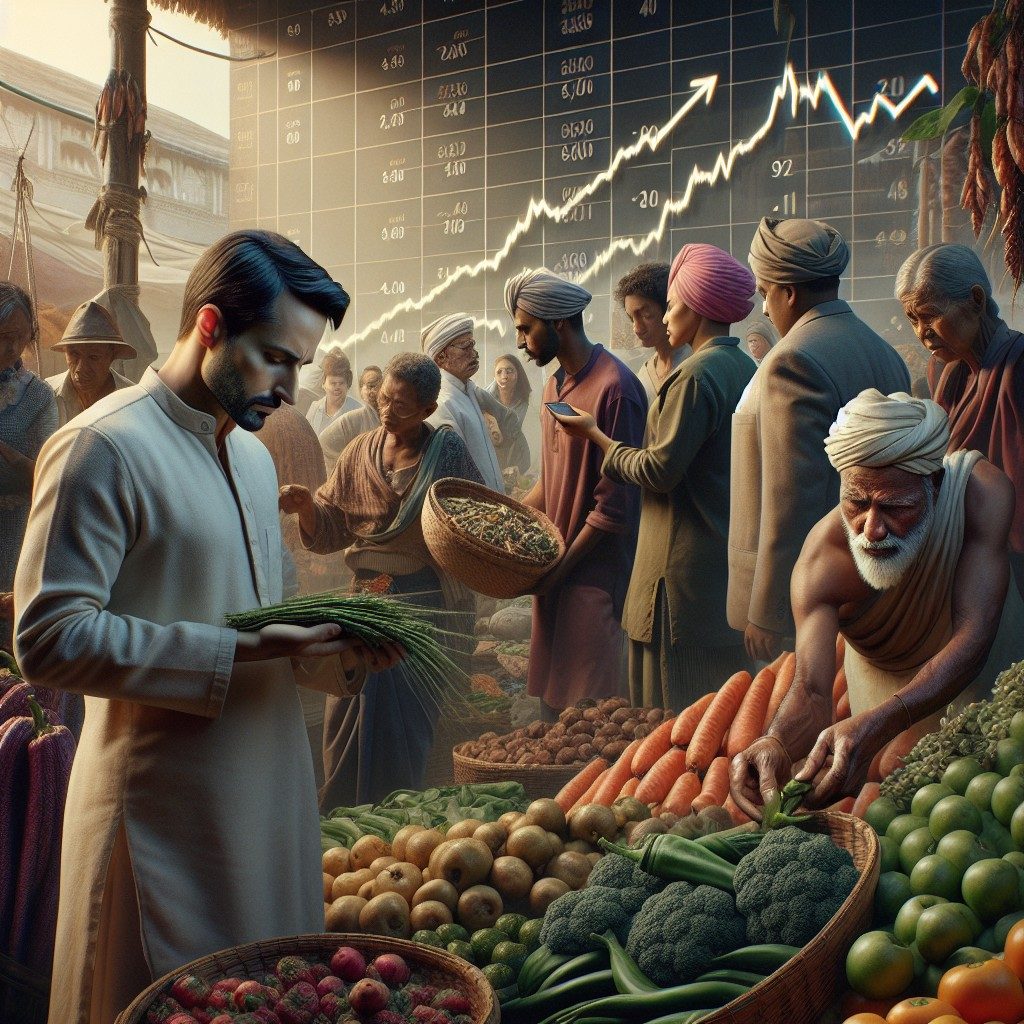
Food inflation remains a pressing concern for consumers worldwide as grocery bills continue to fluctuate unpredictably. Multiple factors are influencing the rising costs of food items, challenging both households and policymakers in managing this volatility. Understanding the drivers behind food inflation provides clarity on why prices at the supermarket can change so rapidly and what this means for the global economy.
Impact of Supply Chain Disruptions
One significant contributor to food inflation is ongoing supply chain disruptions. The COVID-19 pandemic, geopolitical tensions, and transportation bottlenecks have all strained the global food supply network. Delays in shipping, labor shortages in agriculture and processing sectors, and increased freight costs have led to reduced availability and higher prices for many food products. These disruptions explained why staple goods such as grains, meat, and dairy products have experienced accelerated price increases in recent years.
Effects of Climate Change on Agricultural Production
Climate change is exacerbating food inflation by affecting agricultural yields and food production stability. Erratic weather patterns, such as droughts, floods, and unseasonal temperature shifts, have damaged crops and reduced harvest volumes in key producing regions. For example, severe drought conditions in some parts of the United States and Europe have lowered output of wheat and corn, critical commodities for both direct consumption and animal feed. These production shortfalls contribute directly to rising food prices globally.
Rising Input Costs for Farmers
In addition to environmental factors, food inflation is driven by increasing costs of inputs essential for farming. Prices for fertilizers, fuel, seeds, and machinery have surged due to global demand and supply constraints. Energy costs particularly influence the price of fertilizers, and with energy prices climbing worldwide, it becomes more expensive to produce food. The elevated input costs are passed along the supply chain, culminating in more expensive grocery bills for consumers.
Influence of Global Trade Policies
Trade policies and tariffs also play a critical role in food inflation. Some countries have implemented export restrictions on staple foods to secure domestic supplies or to control prices internally. While these measures aim to stabilize local markets, they can reduce global availability, driving up prices elsewhere. Additionally, tariffs on imported food products increase costs for retailers and consumers. Thus, international trade dynamics significantly affect food price stability across regions.
Currency Fluctuations and Inflationary Pressures
Currency volatility adds another layer of complexity to food inflation. Many food commodities are traded in US dollars, so fluctuations in exchange rates impact import prices in various countries. Depreciation of local currencies against the dollar raises the cost of importing food and related inputs, intensifying inflation pressure. Moreover, broader inflationary trends in energy and manufacturing sectors feed into higher food prices, creating a feedback loop that keeps grocery bills unpredictable.
In summary, the drivers of food inflation are multifaceted and interconnected, ranging from supply chain challenges and climate change to trade policies and currency fluctuations. These factors make grocery bills volatile and difficult for consumers to anticipate. Looking ahead, without significant improvements in agricultural resilience and supply chain efficiencies, food inflation is likely to remain a key economic challenge in the near future. Monitoring the evolving global context remains essential for governments and stakeholders aiming to mitigate the impact on food affordability.
Frequently Asked Questions about food inflation
What causes food inflation to rise rapidly?
Food inflation rises rapidly due to disruptions in supply chains, adverse weather affecting crop yields, increasing input costs for farmers, changes in trade policies, and fluctuating currency values. These factors collectively lead to higher food prices.
How does climate change contribute to food inflation?
Climate change contributes to food inflation by causing unpredictable weather events, such as droughts and floods, which reduce crop production and lead to scarcity. This scarcity increases the cost of food items in the market.
Can global trade policies affect food inflation?
Yes, global trade policies, including tariffs and export restrictions, directly impact the availability and cost of food on the international market, influencing food inflation by altering supply and prices.
Why do currency fluctuations matter for food inflation?
Currency fluctuations matter because many food commodities are priced in US dollars. When local currencies weaken against the dollar, it increases the cost of importing food and related goods, driving up food inflation locally.
Is food inflation expected to stabilize soon?
While some stabilization may occur if supply chains improve and climate conditions normalize, food inflation is expected to remain unpredictable due to ongoing global economic and environmental challenges.
For further authoritative information on food inflation, consult the Food and Agriculture Organization of the United Nations and other reputable institutions monitoring global food markets.